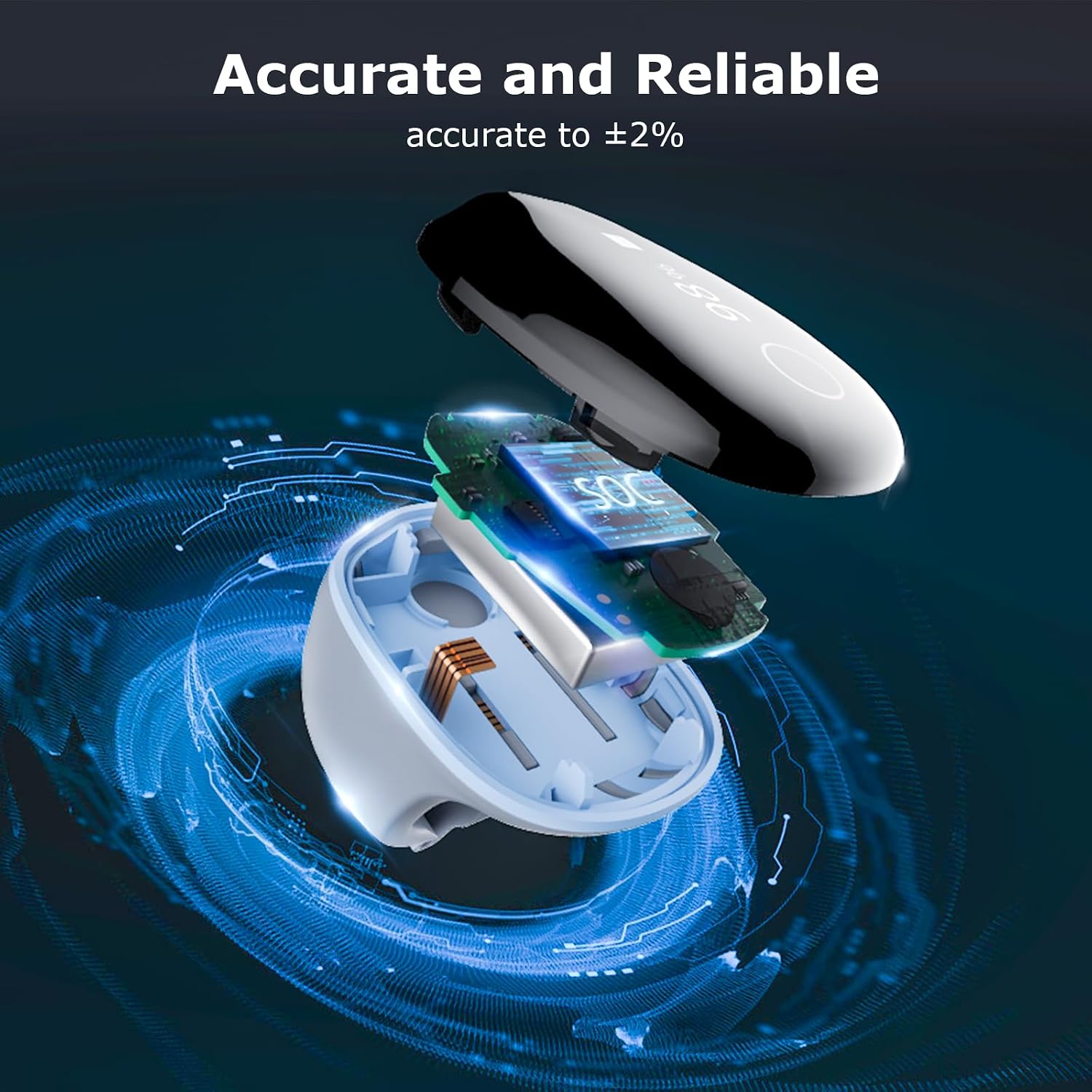
You wake up after eight hours feeling like you slept four. Your partner says you stopped breathing twice. Your smartwatch logged a “normal” night. Something isn’t adding up — and the gap is probably in what your watch is actually measuring. A pulse oximeter (say: pulse ox-IM-uh-ter) is a small sensor that shines light through your skin to estimate two things simultaneously: your SpO2 (blood oxygen saturation — the percentage of your red blood cells currently carrying oxygen) and your heart rate. When SpO2 drops repeatedly below 90% overnight, that pattern is a cardinal sign of obstructive sleep apnea — a condition where the airway collapses during sleep, cutting off breathing in episodes that can last 10–30 seconds, dozens of times per night. According to the Mayo Clinic’s patient overview of sleep apnea symptoms and causes (mayoclinic.org), the condition affects an estimated 30 million Americans, most of them undiagnosed.
This article is for readers who’ve moved past “I wonder if I snore” and into “I need data I can act on.” You’ll get a straight comparison of dedicated overnight oximeters — led by the Wellue O2Ring, the current benchmark in this category — versus the SpO2 functions built into wrist-worn smartwatches and fitness bands. We’ll cover accuracy thresholds, what makes a reading clinically useful, total cost of ownership, and a clear decision framework at the end.
| EDITOR'S PICKWellue O2Ring-S Oxygen Monitor… | Mid-tierWellue O2Ring Pulse Oximter | Budget pick[EMAY Sleep Oxygen Monitor](https://www.amazon.com/dp/B07RKVDHXH?tag=greenflower20-20) with… | |
|---|---|---|---|
| Battery life | 24 hrs | — | — |
| Memory storage | 4*10 hours | — | — |
| Vibration reminder | ✓ | ✓ | ✗ |
| Bluetooth | ✓ | ✓ | ✗ |
| Rechargeable | ✓ | ✓ | — |
| Built-in recording | ✗ | ✗ | ✓ |
| Price | $199.99 | $189.99 | $59.00 |
| See on Amazon → | See on Amazon → | See on Amazon → |
Why Your Smartwatch’s SpO2 Number Probably Isn’t Enough
Modern smartwatches — the Apple Watch Series 9, Samsung Galaxy Watch 7, Fitbit Charge 6, and their kin — all include optical heart rate sensors on the wrist. Most of them can also estimate SpO2. On paper, that sounds like free overnight monitoring. In practice, the story is more complicated.
Optical placement matters enormously. Wrist-based sensors read through a thicker, more variable tissue bed than fingertip or ring sensors do. Blood flow at the wrist is lower, motion noise is higher, and tattoos or darker skin tones can introduce additional measurement error. Wareable’s 2025 guide to the best sleep trackers and smartwatches for sleep monitoring (wareable.com) notes that most smartwatches sample SpO2 only intermittently during sleep — often every few minutes — rather than continuously. An apnea event lasting 20–30 seconds can fully resolve between samples and never appear in your data.
FDA clearance tells the real story. There is a meaningful regulatory gap between a device that is FDA-cleared as a medical pulse oximeter and one that is FDA-authorized only for general wellness. The former has been evaluated against clinical oximetry standards; the latter has not. Most smartwatch SpO2 functions sit in the wellness category — useful for trend-spotting, not for clinical decision-making. The FDA’s publicly available device classification database, which distinguishes De Novo clearance from general wellness authorization (fda.gov), makes this pathway distinction explicit. Readers who want to verify a specific device’s classification status can search the FDA’s 510(k) and De Novo databases by product code or applicant name.
This doesn’t mean smartwatches are useless for sleep health. But if you’re trying to rule in or rule out sleep apnea, or generate data your physician will actually accept, the wrist isn’t where you want your only sensor.
How the Three Device Tiers Stack Up
Choosing an overnight oximeter isn’t a binary decision between “smartwatch” and “dedicated device.” There are three distinct tiers, each suited to a different kind of user. The comparisons below address accuracy, clinical utility, comfort, and cost in plain terms.
Budget and Convenience Tier: Wrist-Based Smartwatch SpO2
The SpO2 feature built into a smartwatch you already own — Apple Watch Series 9, Samsung Galaxy Watch 7, Fitbit Charge 6 — is technically free if you already carry the device. For readers who want sleep health as one layer of a broader multi-metric monitoring stack and aren’t specifically triaging a sleep apnea concern, this tier is adequate for casual awareness.
Strengths: You’re already wearing it. Continuous heart rate, heart rate variability, skin temperature, and sleep staging arrive in one device. The Apple Watch Series 9 and Galaxy Watch 7 both carry FDA-authorized ECG features for atrial fibrillation detection — genuinely useful for the cardiac monitoring reader on this site.
Weaknesses: Wrist SpO2 is intermittent rather than continuous on most models, and is not FDA-cleared as a medical oximeter. Wareable’s 2025 sleep tracker guide (wareable.com) notes that Apple has restricted or disabled SpO2 background readings on some models in certain markets due to patent litigation — a real-world reliability concern for anyone counting on the feature. At $400–$800+, you’re paying primarily for a smartwatch, not a sleep apnea screening tool.
Total cost of ownership: Band replacement (roughly $30–$50 per year), possible subscription for premium health insights, and full device replacement every two to three years to stay on supported hardware.
Bottom line for sleep apnea screening: Don’t rely on wrist SpO2 data to rule out apnea, and don’t bring smartwatch trend data to a physician expecting clinical conclusions.
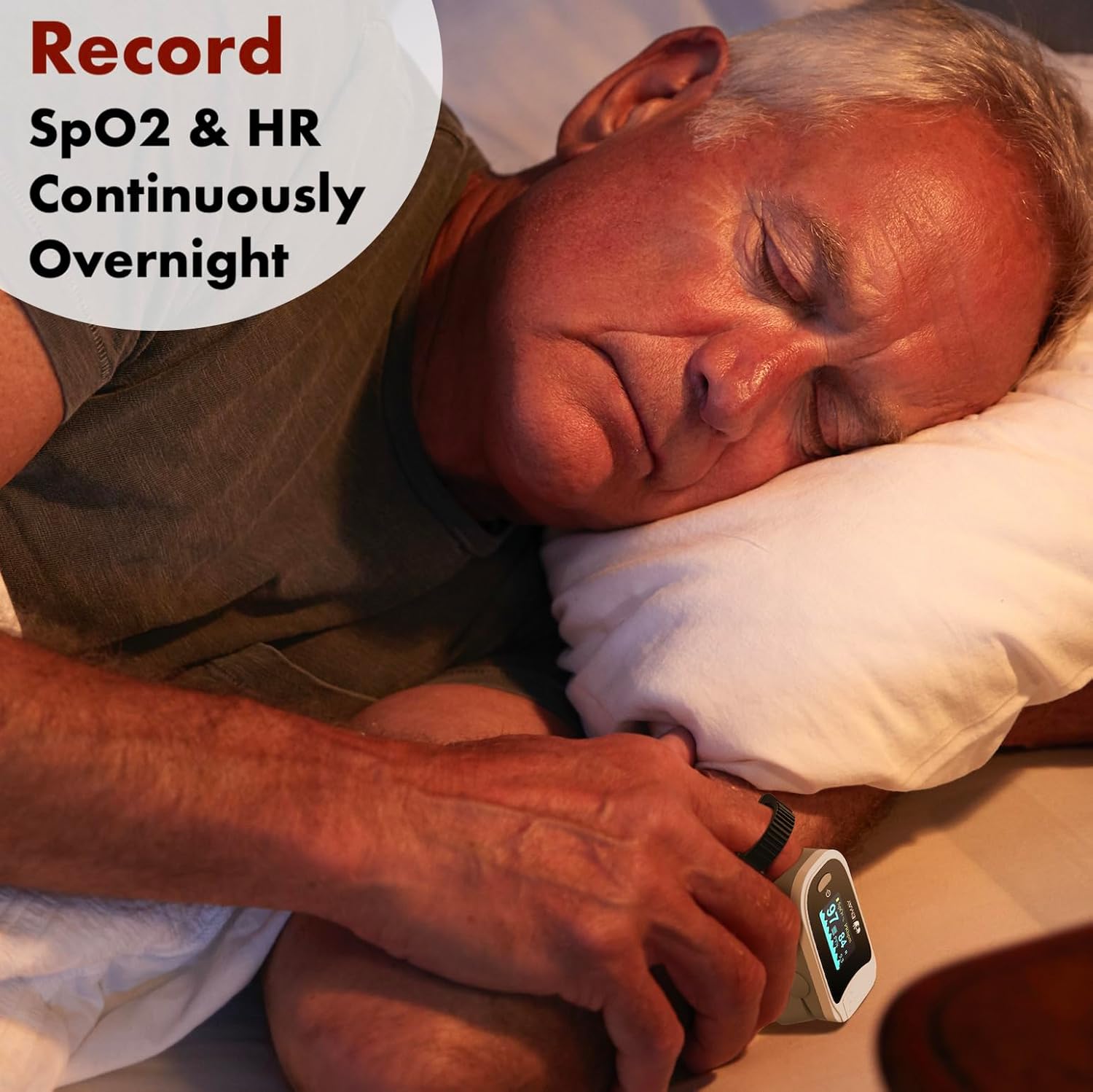
EMAY
$59.00
In stock on Amazon
Check price on AmazonMid-Tier Purpose-Built Tool: Dedicated Overnight Ring Oximeter (Wellue O2Ring)
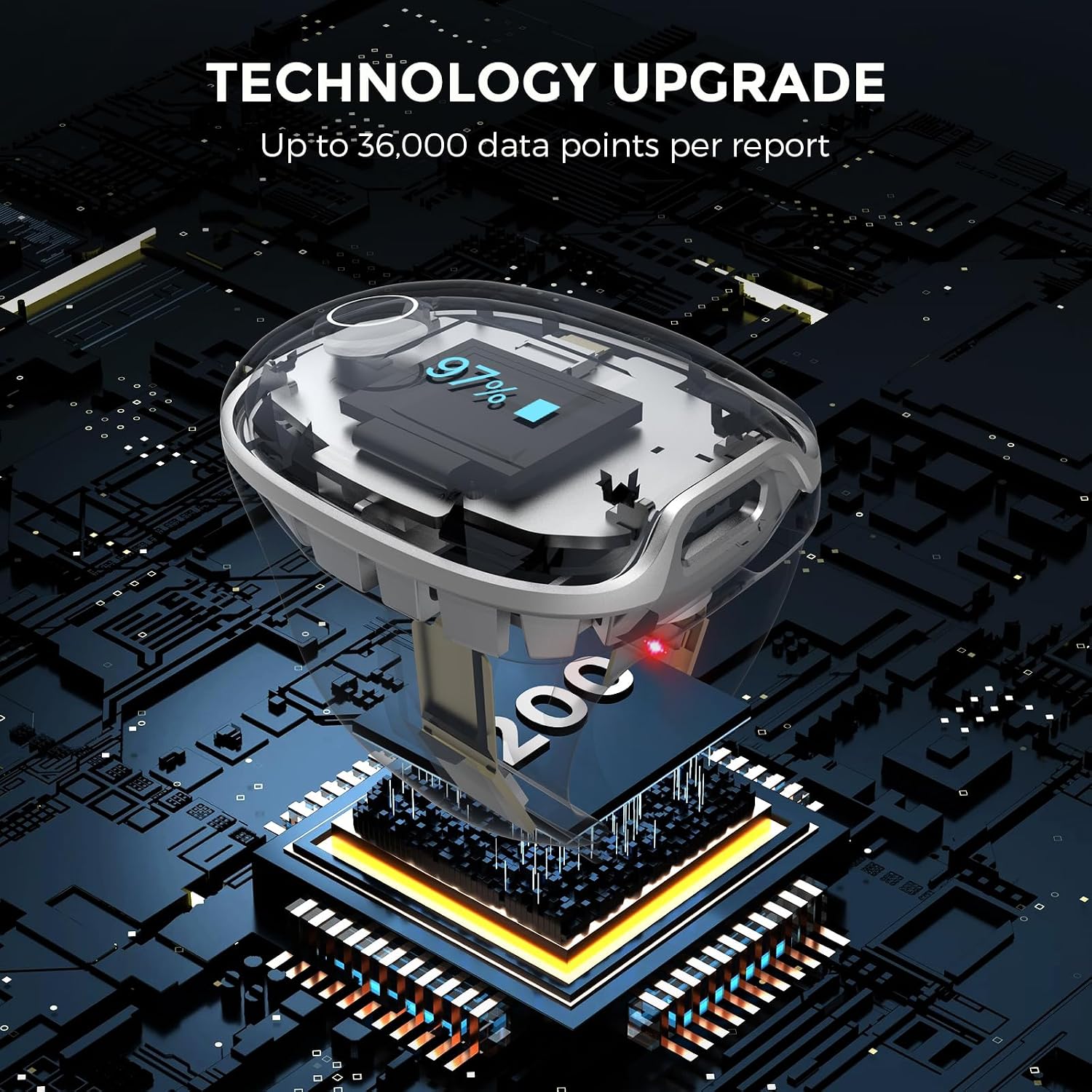
The Wellue O2Ring (approximately $150–$170 as of mid-2026) is a ring-shaped continuous pulse oximeter worn on a finger overnight. It records SpO2 and heart rate at one-second intervals for up to 16 hours on a single charge, stores data internally, and syncs via Bluetooth to a companion app — ViHealth — that generates a visual overnight report showing every dip, every recovery, and a derived metric called the ODI (Oxygen Desaturation Index): the number of times per hour your SpO2 dropped by ≥3% and then recovered.
ODI is a recognized screening proxy for apnea severity. The American Academy of Sleep Medicine’s clinical practice guideline for diagnostic testing for adult obstructive sleep apnea identifies an ODI above 5 events per hour as generally abnormal and an ODI above 15 as consistent with moderate-to-severe apnea.
PCMag’s review of the Wellue O2Ring (pcmag.com) identifies continuous sampling as its primary differentiator from smartwatches — the sensor never stops reading, so brief desaturation events don’t fall between the cracks. The finger location also provides a more reliable optical signal than the wrist. A study by Yuceege and colleagues published in the Journal of Clinical Sleep Medicine and indexed on NCBI (ncbi.nlm.nih.gov) found nocturnal finger oximetry to have sensitivity of approximately 82% and specificity of approximately 79% for detecting moderate-to-severe obstructive sleep apnea against polysomnography — meaningfully better than published performance figures for most wrist devices.
The O2Ring received De Novo clearance from the FDA in 2020 as a medical pulse oximeter — not a wellness accessory. This distinction matters when you want to hand a report to a physician. The FDA’s De Novo database (fda.gov) lists the device’s classification record for readers who wish to verify it directly.
The ViHealth app generates a PDF report that some cardiologists and sleep physicians will accept as a preliminary screening document. Confirm with your specific provider before assuming it will replace a formal sleep study referral.
Strengths: Continuous one-second sampling at the finger; ODI report is physician-readable; comfort is widely praised across aggregated reviews, with most users reporting they forget the ring is on by the second night; no mandatory subscription required for basic overnight reports.
Weaknesses: You have to remember to charge and wear it. The ring comes in one adjustable size, and reviewers with very small or very large fingers occasionally note fit issues. The device screens for desaturation events but does not directly measure airflow or respiratory effort — so it’s a screening tool, not a diagnostic replacement for polysomnography.
Total cost of ownership: No consumables, no replacement pads, no required subscription. At roughly $150–$170 upfront, the cost-per-night becomes negligible for any reader using the device regularly.
Bottom line: For anyone seriously screening for sleep apnea, managing known apnea, or tracking CPAP therapy effectiveness, the O2Ring is the category answer.
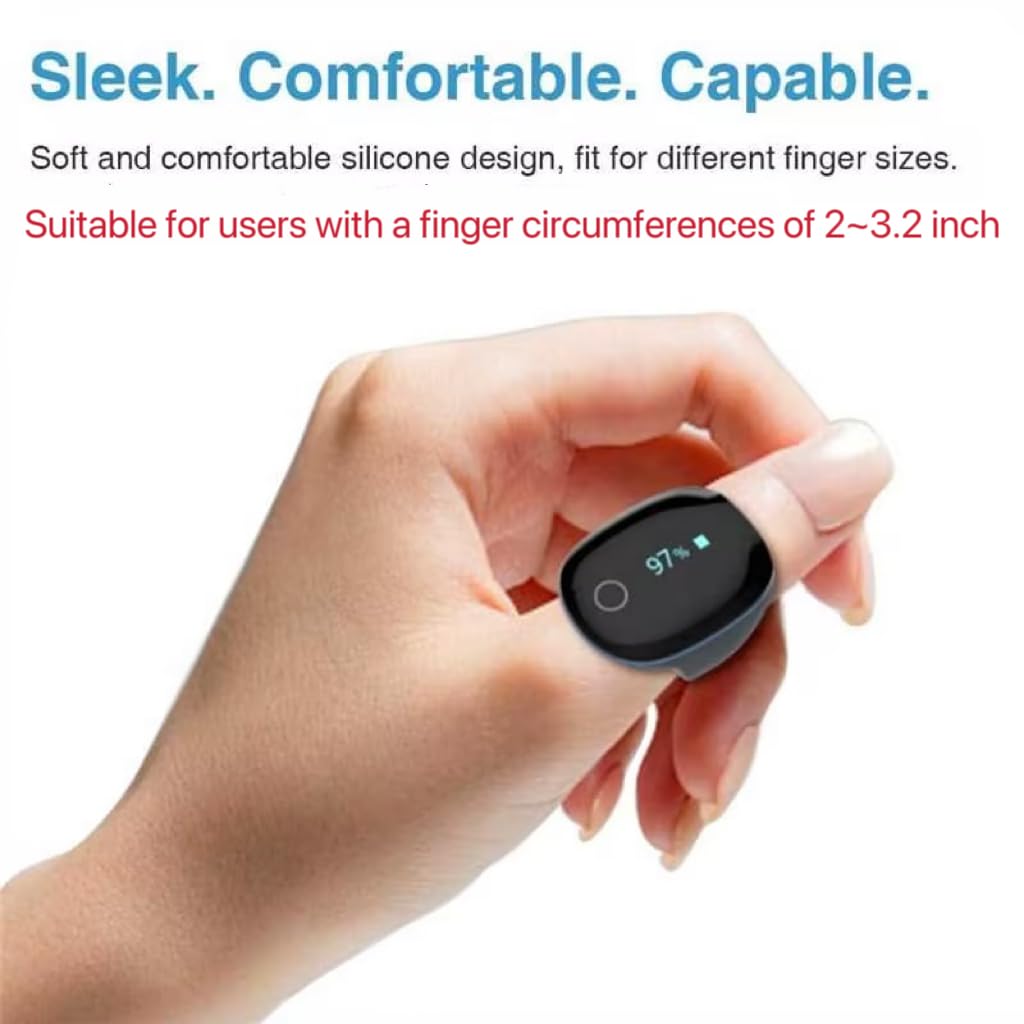
Wellue
$189.99
In stock on Amazon
Check price on AmazonPremium and Clinical-Grade Tier: Multi-Day Holter-Style Recorder
For readers under active cardiologist management with documented arrhythmia or suspected nocturnal cardiac events — not primarily sleep apnea screening, but relevant for anyone who needs both cardiac rhythm and SpO2 data in a clinically submissible format — a Holter-style multi-day ECG recorder such as the Emay EMG-10 occupies its own tier.
Strengths: Generates ECG recordings a cardiologist can actually diagnose from, not just trend data. Useful when your physician specifically requests extended ambulatory monitoring covering multiple nights.
Weaknesses: Not optimized for continuous overnight SpO2 oximetry. Bulkier to sleep with than a ring device. Higher price point and more setup friction than a ring oximeter. For readers whose primary concern is oxygen desaturation rather than rhythm, this tier is overkill.
Bottom line: Reach for this tier only when your physician has specifically requested extended cardiac rhythm monitoring. For most sleep apnea screening use cases, the mid-tier ring oximeter provides a better signal-to-friction ratio.
Wellue
$199.99
In stock on Amazon
Check price on AmazonQuick Reference: Key Metrics by Tier
| Metric | Smartwatch SpO2 | Wellue O2Ring | Holter-Style Recorder |
|---|---|---|---|
| Sampling rate | Spot-check / ~2–5 min intervals | 1-second continuous | ECG continuous; SpO2 varies by model |
| ODI report generated | No | Yes | No |
| FDA-cleared as medical oximeter | Generally no (wellness) | Yes (De Novo, 2020) | Varies; ECG-focused |
| Price range (mid-2026) | Bundled ($400–$800+) | ~$150–$170 | ~$150–$300+ |
| Best for | Casual trend awareness | Sleep apnea screening & CPAP monitoring | Active cardiac management |
When to Add an AliveCor KardiaMobile to the Stack
One pattern worth naming for the practitioner-tier reader: the Wellue O2Ring and an AliveCor KardiaMobile 6L (~$150) are genuinely complementary, not redundant. The O2Ring gives you the overnight SpO2 curve and ODI. The KardiaMobile 6L gives you a physician-ready six-lead ECG on demand — useful if an overnight O2Ring session reveals something alarming (a sustained bradycardia below 40 bpm, for example, or a prolonged desaturation) and you want to hand your doctor both the oxygen data and a same-morning rhythm strip. The combined outlay is roughly $300, and the clinical information density is meaningfully higher than either device alone.
The Decision Framework: If X, Then Y
If you snore, feel unrefreshed after sleep, or have a bed partner reporting pauses in your breathing: Start with the Wellue O2Ring. It’s the lowest-friction, highest-specificity screening step before a formal sleep study referral. The ODI report gives your doctor something concrete to act on.
If you already have a smartwatch and are mildly curious about your overnight oxygen: Your watch’s SpO2 trend is adequate for casual awareness. But don’t rely on it to rule out sleep apnea, and don’t bring that data to a physician expecting clinical conclusions.
If you’ve been diagnosed with sleep apnea and are on CPAP therapy: The O2Ring is the category answer for ongoing CPAP efficacy monitoring. Many owners use it to confirm that therapy adjustments are actually improving their overnight SpO2 curve — something no wrist device handles reliably.
If your concern is primarily cardiac rhythm — atrial fibrillation, documented arrhythmia, or unexplained palpitations overnight: A Holter-style device or the AliveCor KardiaMobile 6L is your primary tool; add the O2Ring as a secondary layer if overnight oxygen levels are also in question.
If you want one device that does everything reasonably well: The Apple Watch Series 9 or Samsung Galaxy Watch 7 is the pragmatic answer — but go in knowing that “reasonably well” means intermittent SpO2 trend data, not continuous overnight oximetry. For cardiac rhythm, the ECG features are genuinely useful and FDA-authorized. For sleep apnea screening specifically, they are not sufficient.
The bottom line: overnight pulse oximetry is a specific clinical question that deserves a specific tool. The Wellue O2Ring exists in a narrow but important space — inexpensive enough to be accessible, technically rigorous enough to be physician-useful, and purpose-built for exactly the problem you’re trying to solve.